
There's a reason so many people are drawn to spaces that feel grounded, calm, and connected to the natural world. Something shifts when you walk into a room layered with warm wood tones, stone surfaces, and earthy color — you breathe a little easier.
Whether you're planning a full kitchen remodel or simply rethinking your bathroom, understanding the philosophy behind naturalistic home design can help you make choices that are both beautiful and deeply livable.
What Is Naturalistic Home Design
Naturalistic home design is the practice of incorporating organic materials, natural color palettes, and forms found in the landscape into your living space. It’s less about a single aesthetic and more about an intentional relationship between your interiors and the natural world — using texture, light, and material to create environments that feel grounded rather than manufactured.
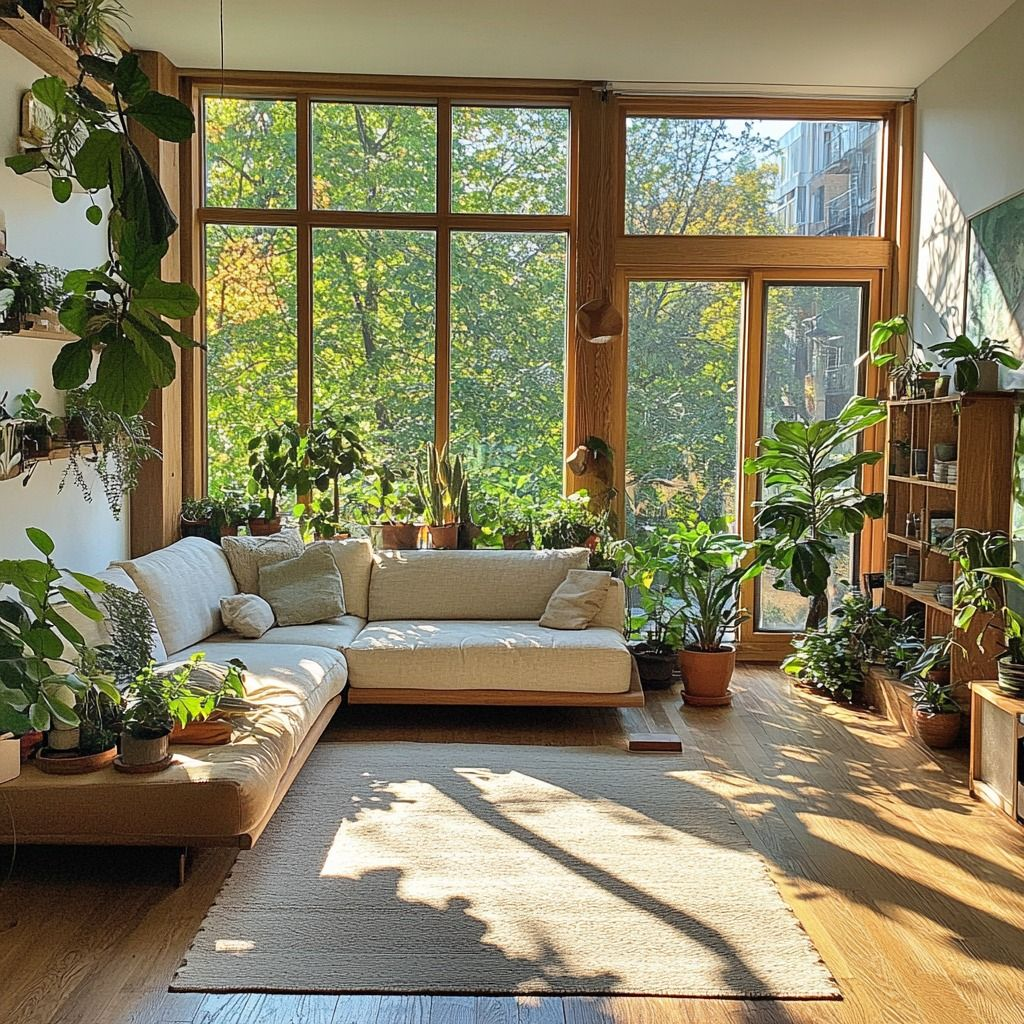
What is Biophilic Design?
Biophilic design takes that philosophy a step further. Rooted in the concept that humans have an innate need to connect with nature, biophilic design uses architecture and interior choices to nurture that connection. Think large windows that flood rooms with natural light, open kitchen layouts that blur the line between living and natural space, and natural materials that age beautifully over time. Studies consistently show that biophilic spaces reduce stress, lower cortisol, and improve focus — making wellness not just an outcome of these spaces, but a core design goal.
Design Styles Worth Knowing
Several distinct styles live under the naturalistic umbrella, each with a slightly different approach.
Japandi
Blends Japanese minimalism with Scandinavian warmth. Clean lines, warm wood cabinetry, neutral tones, and carefully chosen natural textures define this look. Japandi home decor removes visual clutter while keeping spaces feeling lived-in and human.
Wabi-Sabi
Embrace imperfection as beauty. Handmade ceramics, uneven stone surfaces, aged wood, and organic shapes are hallmarks of this philosophy. Wabi-sabi bathroom ideas might include a stone vessel sink, matte tile with visible texture variation, and fixtures in brushed, unlacquered finishes.
Organic Modern
Combines the clean structure of contemporary design with natural materials. Think marble countertops, warm wood floors, and a calming, restorative palette of cream, sand, and moss green — without sacrificing function or livability.
Zen Home Design
Prioritizes calm through simplicity. Uncluttered layouts, natural light, and a tightly edited earthy bathroom color palette, muted greens, warm whites, deep taupe, create spaces that function as a genuine retreat from daily stress.

How to Build a More Natural Space
The most impactful changes often happen at the surface level. Walls finished with limewash paint create depth and organic variation that flat paint simply can't replicate — the technique lets light interact with the wall differently throughout the day, creating a calming, grounding home environment.
Color is equally powerful. A terracotta home palette, warm clay, rust, sand, and sage, instantly roots a space in the natural world and translates seamlessly across kitchen tile, bathroom fixtures, and cabinetry finishes. These tones work equally well in traditional and contemporary homes.
Natural material choices matter across every surface. Stone countertops, hardwood floors, and ceramic tile all carry the texture and variation that synthetic materials lack. That variation is exactly what makes a space feel organic rather than sterile.
How to Design a Naturalistic Home
Waypoint warm wood cabinetry brings the texture and richness of natural materials directly into your kitchen or bathroom. Paired with one of our green tile backsplash options, the result is a space that's simultaneously fresh and grounded, creating a signature combination of the organic modern and Japandi looks currently driving naturalistic design trends.
Our stone countertop selection — marble, granite, and quartz — offers the natural variation and material authenticity that biophilic design demands. No two slabs are identical, which means no two kitchens will be either. For earthy home decor that extends to the floor, our natural hardwood and natural stone flooring options complete the picture.
Open kitchen layouts, which we specialize in, work well with biophilic principles. Removing walls and increasing connection to light, air, and the broader living space makes every room feel larger and more restorative.

Start Your Naturalistic Design With Kitchens by Oaks
You don't need a full renovation to begin. A new window placement to increase natural light, a limewash accent wall, or a shift to a more earthy color palette in cabinetry and tile can meaningfully change how a space feels. The goal of any naturalistic or biophilic design choice is simple: to make home feel like a place where you actually want to rest.
Ready to bring that vision to life? The team at Kitchens by Oaks knows exactly how to get you there. Contact Kitchens by Oaks today to start the conversation.
Frequently Asked Questions About Natural Home Design
As naturalistic and biophilic design continue to influence modern kitchens and bathrooms, many homeowners have questions about how these concepts work in real homes. From choosing the right natural materials to understanding the difference between design styles like Japandi or organic modern, these frequently asked questions help clarify how nature-inspired design can be applied in practical, everyday ways.
Kitchens By Oaks
At Kitchens by Oaks, you will work with a designer who will create a custom design for your home, complete with features tailored to your needs. Our designers will help you through your remodel and make the process as efficient as possible. Contact our team to make an appointment today.
Related Posts
Sorry, we couldn't find any posts. Please try a different search.